Low Vision of Northern Illinois and Southern Wisconsin
Specializing in Low Vision — Helping You See Again
Dr. Svetlana Pikus, O.D. designs custom optical systems for people with macular degeneration, glaucoma, diabetic retinopathy, stroke-related vision loss and other conditions that standard glasses can't correct.
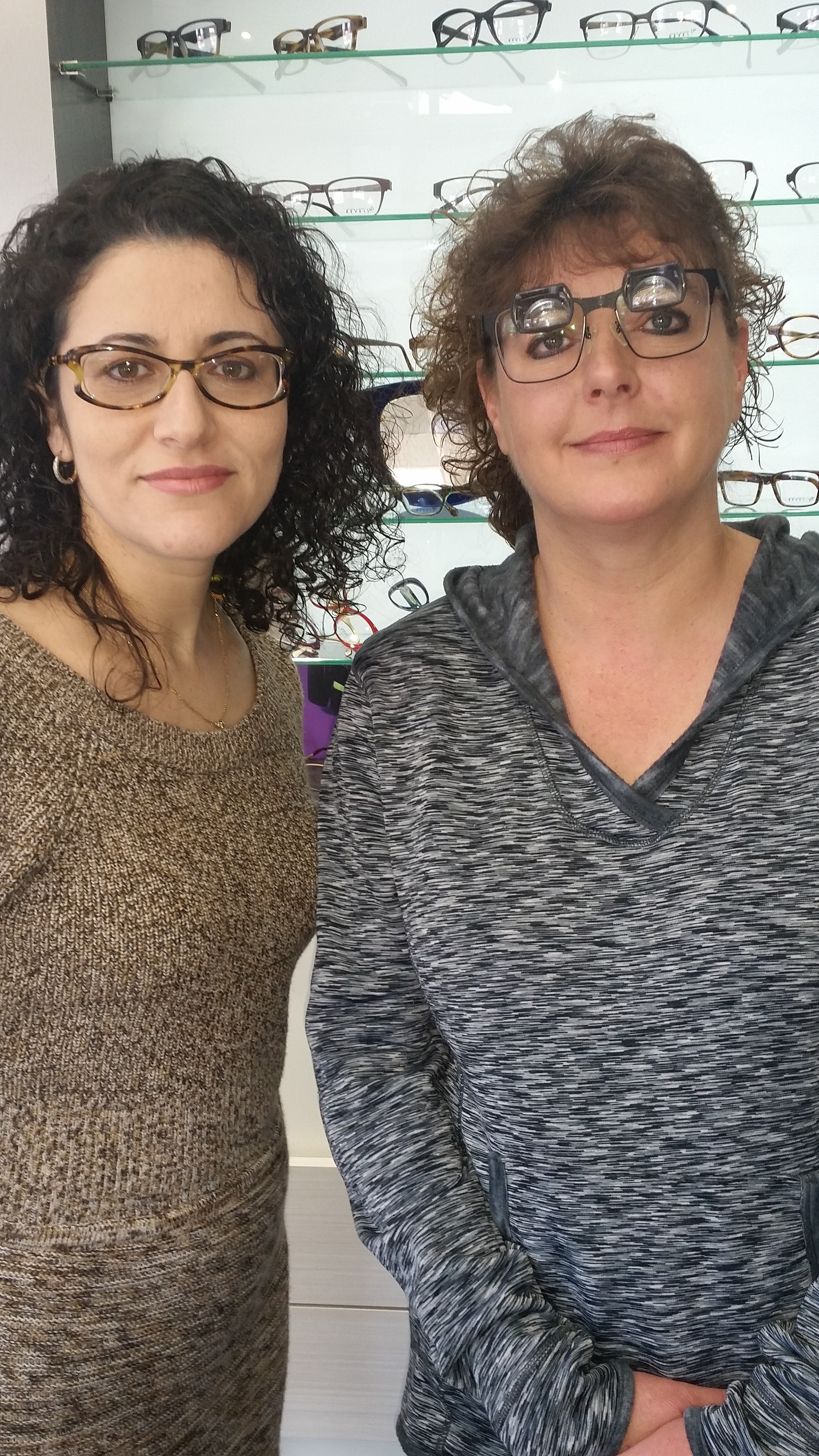
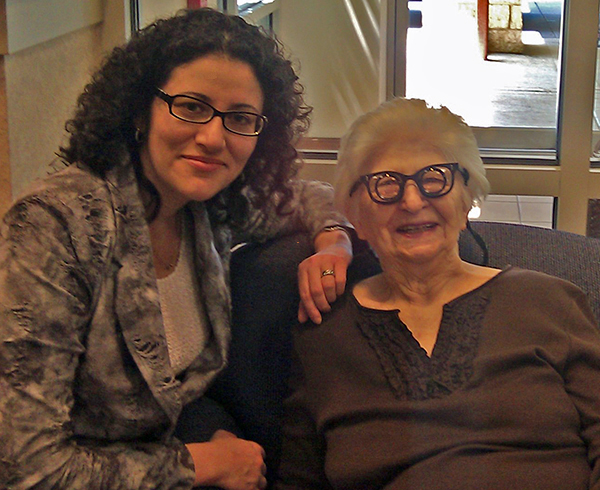
Dr. Svetlana Pikus — Uniquely Trained & Experienced
Dr. Pikus is uniquely trained and experienced in providing low-vision glasses and devices that make the most of the vision you still have. She designs custom systems that go far beyond standard prescriptions.
Every relationship begins with a telephone interview, so we can discuss your vision, your goals, and whether low vision care is right for you — before any appointment is scheduled.
Conditions We Help
If your vision has changed and reading, driving, or recognizing faces is harder than it used to be, low vision rehabilitation may help.
Macular Degeneration
Wet and dry AMD — central vision loss that makes reading, faces, and driving difficult.
Diabetic Retinopathy
Blurred or patchy vision from diabetes-related damage to the retina.
Glaucoma
Peripheral and contrast loss from optic nerve damage.
Stargardt's Disease
Inherited juvenile macular dystrophy causing progressive central vision loss.
Retinitis Pigmentosa
Tunnel vision and night blindness from progressive retinal degeneration.
Stroke-Related Vision Loss
Hemianopia, neglect, and other visual field loss after stroke or brain injury.
Albinism
Reduced acuity and light sensitivity from underdeveloped retinal pigment.
Low Vision After Cataract Surgery
Residual vision loss when cataract surgery alone is not enough.
Low Vision Devices We Prescribe
Each system is custom-fit. Most patients leave with options to try at home.
Bioptic Telescopes for Driving
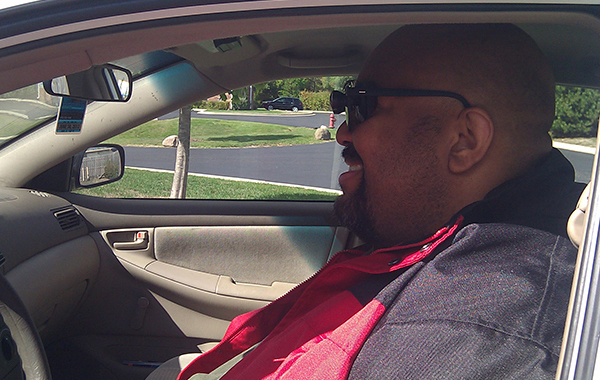
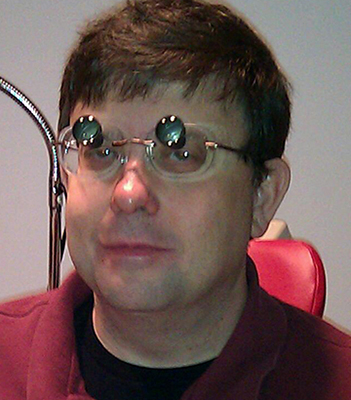
Miniature telescopes mounted above the line of sight, legal for driving in Illinois and Wisconsin.
Prismatic Reading Glasses
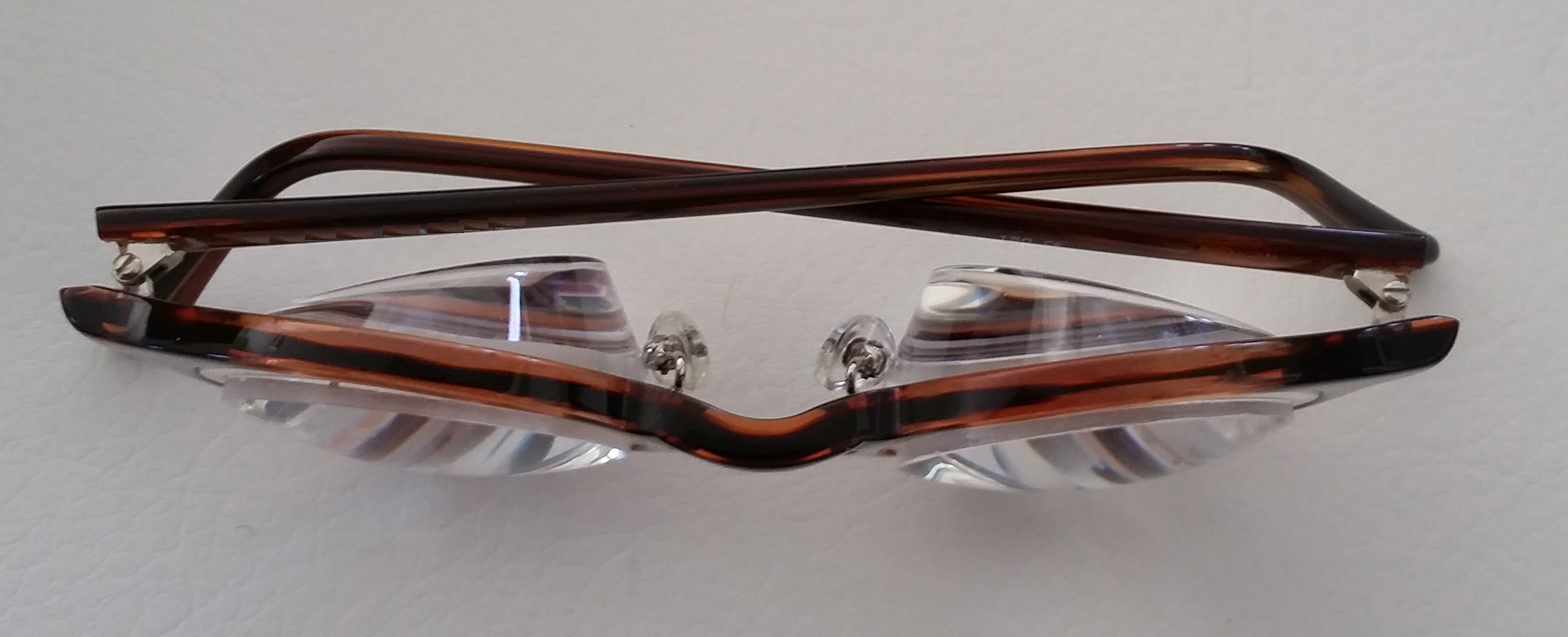
High-powered readers that bring small print into sharp focus at close range.
E-Scoop Glasses
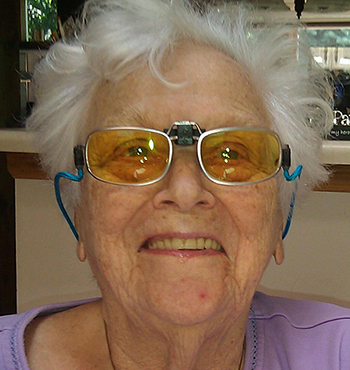
Specialty lenses that boost contrast and reduce glare for macular degeneration.
Hand-Held & Spectacle-Mounted Telescopes
For TV, theater, classrooms, and distance tasks.
Magnifiers
Illuminated hand and stand magnifiers tailored to each patient's prescription.
CCTV / Video Magnifiers
Electronic systems that enlarge print, photos, and documents on a high-contrast screen.
Tinted & Filter Lenses
Custom tints to reduce glare and improve contrast outdoors and indoors.
Real Patients, Real Activities
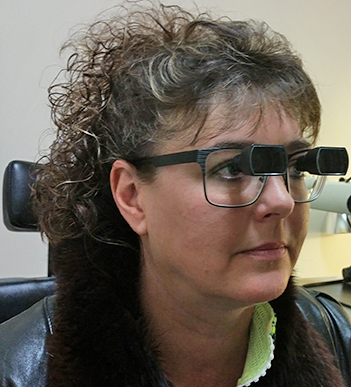
Driving, reading sheet music, playing cards, sewing, seeing faces — the goal is the life you want back. Here are a few of the moments low vision systems have made possible.
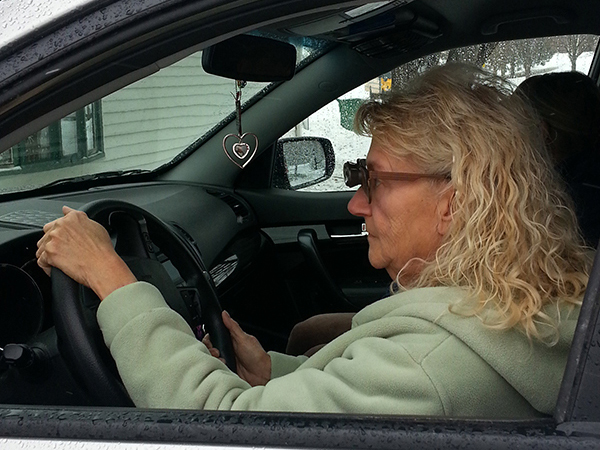
Driving with a bioptic telescope
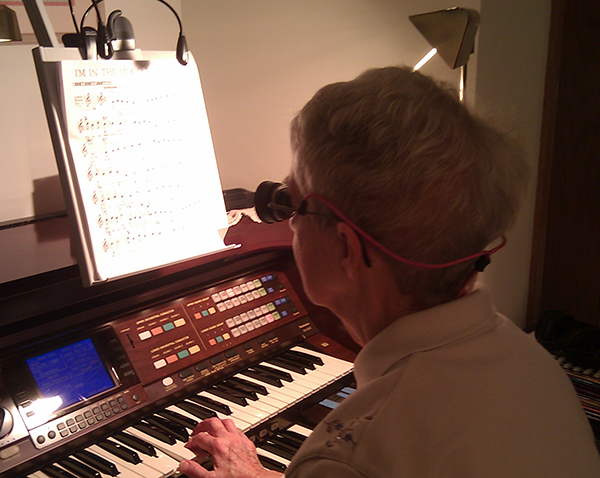
Reading notes and playing music
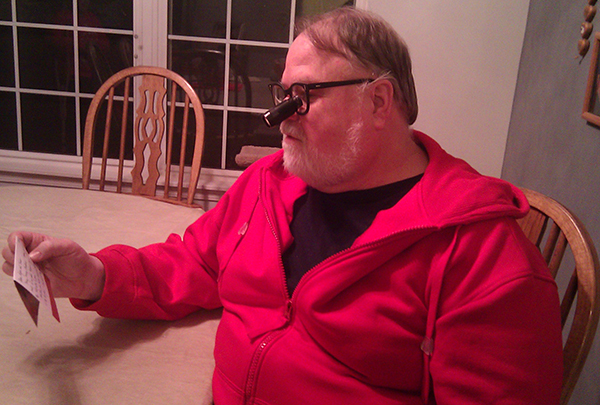
Reading with a focusable telescope
Custom-fit low vision glasses
Back to playing cards
Detail work, restored
Sewing and fine handwork
Reading books again
Low Vision: Causes and Who Gets It
Vision loss primarily occurs in people over 65 but can happen at any age. The main causes of low vision are age-related macular degeneration, diabetic retinopathy, inoperable cataracts, and open-angle glaucoma. These and other conditions cause irreversible vision loss but do not cause complete and total blindness.
Usually a person is left with "residual" vision that can still be very useful — especially with the help of properly prescribed low vision devices.
Communities We Serve
Patients travel to Dr. Pikus from across 92+ communities in Northern Illinois and Southern Wisconsin.
Chicagoland
- Algonquin, IL — Specializing in Low Vision
- Antioch, IL — Specializing in Low Vision
- Arlington Heights, IL — Specializing in Low Vision
- Aurora, IL — Specializing in Low Vision
- Barrington, IL — Specializing in Low Vision
- Barrington Hills, IL — Specializing in Low Vision
- Buffalo Grove, IL — Specializing in Low Vision
- Burr Ridge, IL — Specializing in Low Vision
- Cary, IL — Specializing in Low Vision
- Chicago, IL — Specializing in Low Vision
- Crystal Lake, IL — Specializing in Low Vision
- Deerfield, IL — Specializing in Low Vision
- Des Plaines, IL — Specializing in Low Vision
- Downers Grove, IL — Specializing in Low Vision
- Elburn, IL — Specializing in Low Vision
- Elgin, IL — Specializing in Low Vision
- Evanston, IL — Specializing in Low Vision
- Geneva, IL — Specializing in Low Vision
- Glencoe, IL — Specializing in Low Vision
- Glenview, IL — Specializing in Low Vision
- Grayslake, IL — Specializing in Low Vision
- Gurnee, IL — Specializing in Low Vision
- Highland Park, IL — Specializing in Low Vision
- Hinsdale, IL — Specializing in Low Vision
- Hoffman Estates, IL — Specializing in Low Vision
- Huntley, IL — Specializing in Low Vision
- Joliet, IL — Specializing in Low Vision
- Lake Bluff, IL — Specializing in Low Vision
- Lake Forest, IL — Specializing in Low Vision
- Lake Villa, IL — Specializing in Low Vision
- Lake Zurich, IL — Specializing in Low Vision
- Libertyville, IL — Specializing in Low Vision
- Lincolnshire, IL — Specializing in Low Vision
- Long Grove, IL — Specializing in Low Vision
- McHenry, IL — Specializing in Low Vision
- Mundelein, IL — Specializing in Low Vision
- Naperville, IL — Specializing in Low Vision
- Northbrook, IL — Specializing in Low Vision
- Oak Park, IL — Specializing in Low Vision
- Old Mill Creek, IL — Specializing in Low Vision
- Palatine, IL — Specializing in Low Vision
- Park Ridge, IL — Specializing in Low Vision
- Schaumburg, IL — Specializing in Low Vision
- Skokie, IL — Specializing in Low Vision
- South Barrington, IL — Specializing in Low Vision
- St. Charles, IL — Specializing in Low Vision
- Vernon Hills, IL — Specializing in Low Vision
- Waukegan, IL — Specializing in Low Vision
- Western Springs, IL — Specializing in Low Vision
- Wheaton, IL — Specializing in Low Vision
- Wilmette, IL — Specializing in Low Vision
- Winnetka, IL — Specializing in Low Vision
- Woodstock, IL — Specializing in Low Vision
Northern Illinois
- Belvidere, IL — Specializing in Low Vision
- DeKalb, IL — Specializing in Low Vision
- Dixon, IL — Specializing in Low Vision
- Freeport, IL — Specializing in Low Vision
- Galena, IL — Specializing in Low Vision
- Loves Park, IL — Specializing in Low Vision
- Rockford, IL — Specializing in Low Vision
- Sterling, IL — Specializing in Low Vision
- Sycamore, IL — Specializing in Low Vision
Quad Cities
Southern Wisconsin
- Beloit, WI — Specializing in Low Vision
- Bristol, WI — Specializing in Low Vision
- Brookfield, WI — Specializing in Low Vision
- Burlington, WI — Specializing in Low Vision
- Delavan, WI — Specializing in Low Vision
- Elkhorn, WI — Specializing in Low Vision
- Fitchburg, WI — Specializing in Low Vision
- Fort Atkinson, WI — Specializing in Low Vision
- Franklin, WI — Specializing in Low Vision
- Janesville, WI — Specializing in Low Vision
- Kenosha, WI — Specializing in Low Vision
- Lake Geneva, WI — Specializing in Low Vision
- Madison, WI — Specializing in Low Vision
- Middleton, WI — Specializing in Low Vision
- Milton, WI — Specializing in Low Vision
- Milwaukee, WI — Specializing in Low Vision
- Mount Pleasant, WI — Specializing in Low Vision
- Oak Creek, WI — Specializing in Low Vision
- Pleasant Prairie, WI — Specializing in Low Vision
- Racine, WI — Specializing in Low Vision
- Salem, WI — Specializing in Low Vision
- Sun Prairie, WI — Specializing in Low Vision
- Waukesha, WI — Specializing in Low Vision
- Wauwatosa, WI — Specializing in Low Vision
- Watertown, WI — Specializing in Low Vision
- West Allis, WI — Specializing in Low Vision
- Whitewater, WI — Specializing in Low Vision
Call the office for a brief evaluation
We'll discuss your vision, your goals, and whether low vision care can help. No pressure.
773-443-2040